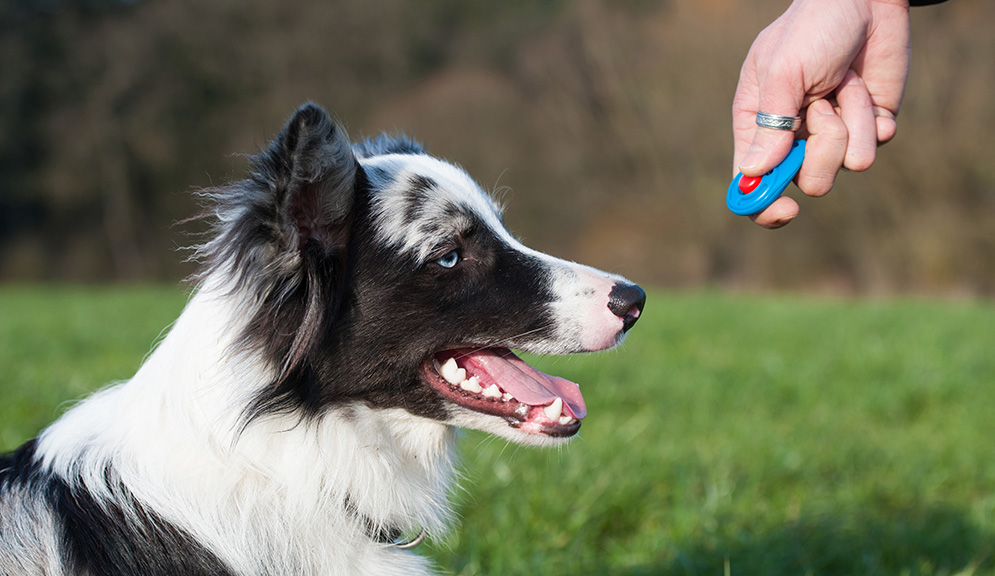
5 Essential Commands Every Dog Should Learn
Training your dog is essential for a harmonious relationship and a well-behaved pet. 5 essential commands every dog should learn not only enhance safety but also help communicate effectively with your furry friend. Here are some fundamental commands to start with:
- Sit: This basic command is crucial for teaching your dog self-control and patience. It is often the first command that dogs master.
- Stay: Once your dog can sit, the stay command reinforces that they should remain in one place until released.
- Come: Teaching your dog to come when called can potentially save their life in dangerous situations.
- Leave it: This command is important for keeping your dog safe from harmful objects or food.
- Heel: Teaching your dog to walk beside you on a leash ensures a more enjoyable and calm walking experience.
Understanding Your Dog's Body Language: A Guide for Effective Training
Understanding your dog's body language is crucial for effective training and building a strong bond with your furry friend. Dogs communicate primarily through their posture, facial expressions, and tail movements. For example, a wagging tail does not always indicate happiness; the context and the speed of the wag can reveal a lot about your dog's emotional state. Recognizing these signs allows you to respond appropriately, ensuring that training sessions are productive and enjoyable for both you and your dog.
Some common body language cues to watch for include:
- Ear Position: Ears held high can indicate curiosity, while pinned back ears suggest fear or submission.
- Body Posture: A relaxed body indicates comfort, while a tense posture might signal anxiety.
- Tail Position: A high, wagging tail shows excitement, while a low or tucked tail often indicates stress.
Common Dog Training Mistakes and How to Avoid Them
Dog training can be a rewarding experience, but it’s easy to make common dog training mistakes that can hinder your progress. One frequent error is inconsistency; for instance, using different commands for the same behavior can confuse your dog. It’s essential to establish a clear set of commands and stick to them. Additionally, neglecting to reward desirable behavior can demotivate your dog. Consistent reinforcement, whether through treats or praise, encourages your dog to repeat good behaviors.
Another prevalent mistake is rushing the training process. Every dog learns at their own pace, and pushing them too hard can lead to frustration for both you and your pet. Instead, focus on setting achievable goals and celebrating small victories along the way. Moreover, remember to keep training sessions short and engaging; a 10-15 minute session is usually ideal. By recognizing and addressing these common dog training mistakes, you can foster a more harmonious and effective training environment.