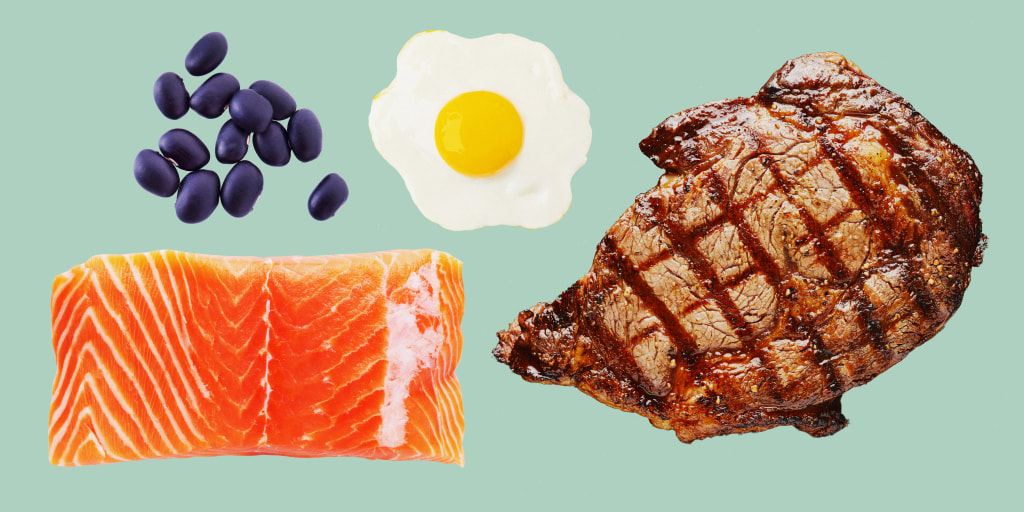
5 Easy Ways to Boost Your Protein Intake Daily
Boosting your protein intake can be easier than you think! Here are 5 easy ways to ensure you're getting enough protein in your daily diet:
- Incorporate protein-rich snacks: Choose snacks like Greek yogurt, cottage cheese, or mixed nuts to keep your protein levels up throughout the day. These options are not only high in protein but also convenient and satisfying.
- Add protein powder to your meals: Whether it's in smoothies, oatmeal, or baked goods, adding a scoop of protein powder can significantly increase your intake. Healthline offers great insights on the benefits of protein supplements.
Continuing with more easy ways, consider the following:
- Choose lean meats: Opt for lean protein sources like chicken, turkey, or fish. These types of meat are not only rich in protein but also lower in saturated fat, making them a healthy option.
- Include legumes and beans: Incorporating lentils, chickpeas, and black beans into your meals can help you up your protein intake. These plant-based options are excellent, budget-friendly sources of protein (Medical News Today).
- Try a protein-rich breakfast: Start your day with eggs, a protein smoothie, or oatmeal topped with nuts and seeds. Breakfast is a vital meal, and a high-protein start can set the tone for the rest of your day.
The Importance of Protein: Fueling Your Fitness Journey
Protein is a fundamental macronutrient that plays a crucial role in fueling your fitness journey. As an essential building block for muscles, protein helps repair tissue, supports immune function, and promotes overall health. It is especially important for those who engage in regular physical activity, as it aids in recovery and muscle growth. Incorporating an adequate amount of protein into your diet can enhance your performance and endurance, making workouts more effective. For more insights on protein requirements, you can refer to the National Institutes of Health.
To optimize your protein intake, consider a variety of sources such as lean meats, dairy, legumes, and plant-based options like quinoa and tofu. According to the Academy of Nutrition and Dietetics, it's recommended for athletes engaged in strength training to aim for 1.2 to 2.0 grams of protein per kilogram of body weight, depending on the intensity of their training. This not only aids in muscle repair but also helps in maintaining a balanced diet that fuels your overall fitness goals.
High-Protein Foods: What You Need to Know for a Balanced Diet
Incorporating high-protein foods into your diet is essential for maintaining overall health and supporting bodily functions. Proteins are the building blocks of cells, tissues, and organs, playing a crucial role in muscle repair, immune function, and hormone regulation. To achieve a balanced diet, it is vital to include various sources of protein, including lean meats, fish, dairy, legumes, and plant-based options. For further insights on the benefits of protein, consider exploring resources such as Healthline's guide to protein-rich foods.
When planning meals, aim to include a mix of high-protein foods to benefit from different amino acids and nutrients. A few excellent choices include:
- Lean meats such as chicken and turkey
- Fish, particularly fatty varieties like salmon, which are high in omega-3 fatty acids
- Legumes such as beans and lentils, which are great plant-based options
- Dairy products including Greek yogurt and cottage cheese
To learn more about balancing your meals with adequate protein, refer to the Academy of Nutrition and Dietetics.