10 High-Protein Foods to Fuel Your Fitness Journey
When it comes to fueling your fitness journey, incorporating high-protein foods into your diet is essential. Protein is a vital macronutrient that helps repair and build muscle tissue, making it a cornerstone for anyone looking to enhance their physical performance. Here are 10 high-protein foods that can help you reach your fitness goals:
- Chicken Breast - A lean source of protein that's versatile and easy to prepare.
- Eggs - Packed with essential amino acids, they can be cooked in various ways.
- Greek Yogurt - A creamy snack rich in protein, perfect for breakfast or a post-workout treat.
- Quinoa - A plant-based protein that’s also a complete source of all nine essential amino acids.
- Salmon - Not only a great protein source but also rich in omega-3 fatty acids for heart health.
- Lentils - An excellent choice for vegetarians, high in both protein and fiber.
- Beef - A well-known source of protein, packed with iron and zinc.
- Cottage Cheese - Low in fat but high in protein, perfect for snacks or meals.
- Almonds - A great on-the-go snack that also provides healthy fats.
- Tofu - A versatile protein option for plant-based diets.
How to Create Balanced, Protein-Packed Meals for Every Lifestyle
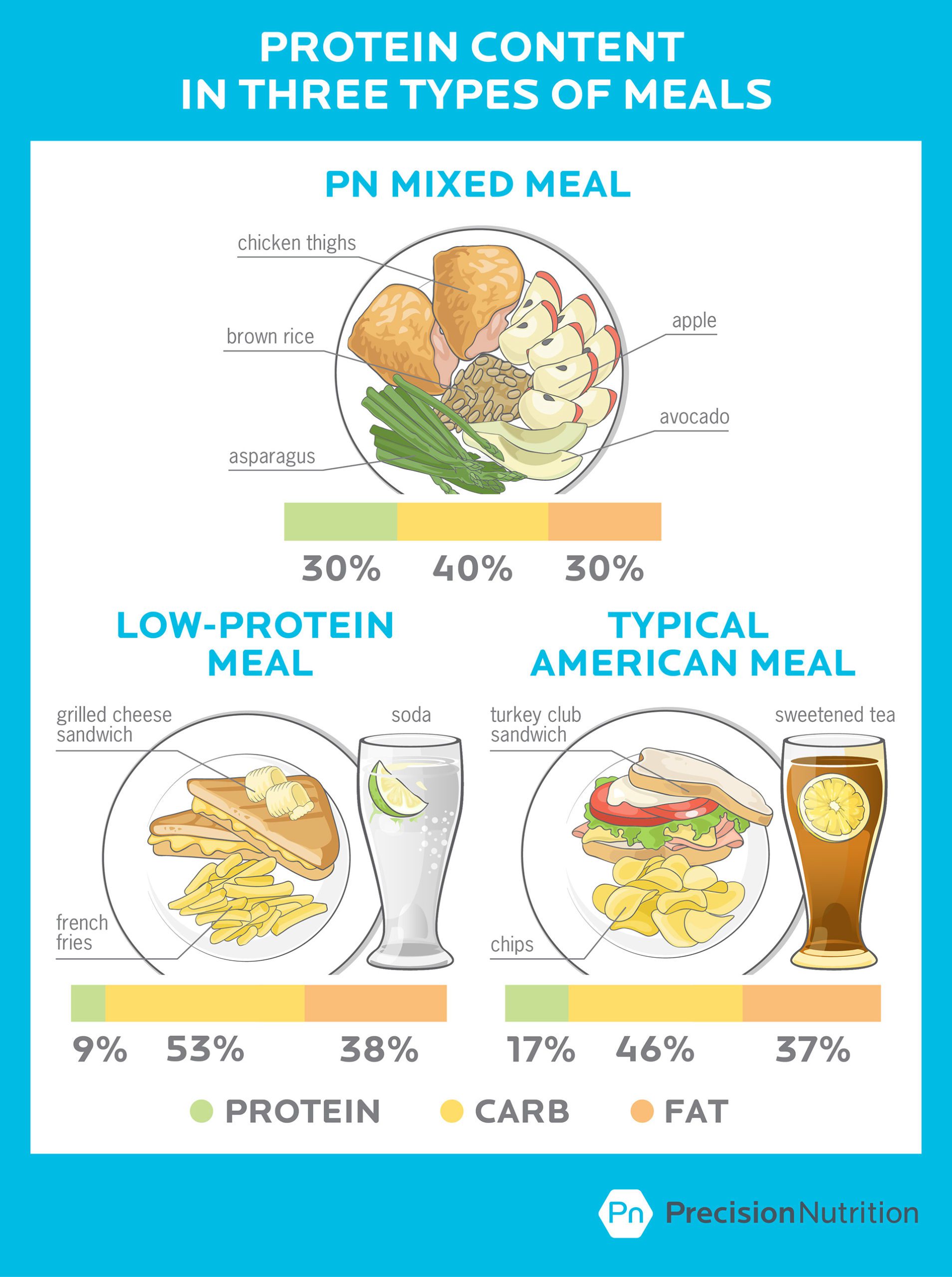
Creating balanced, protein-packed meals is essential for maintaining energy levels and supporting overall health regardless of your lifestyle. Start by identifying your dietary needs: athletes may require higher protein intake for muscle repair, while busy professionals might prioritize quick, nutritious options. To build a meal, include a source of lean protein such as chicken, fish, beans, or tofu; pair it with whole grains like quinoa, brown rice, or whole-wheat pasta; and add a variety of colorful vegetables for essential vitamins and minerals. This combination not only enhances flavor but also ensures a well-rounded diet.
Consider the following tips for making protein-packed meals that fit your unique lifestyle:
- Prep Ahead: Dedicate a day for meal prepping—prepare proteins and grains in bulk, making weekdays hassle-free.
- Snack Wisely: Opt for high-protein snacks like Greek yogurt or nuts to keep hunger at bay between meals.
- Mix It Up: Experiment with international cuisines for diverse protein sources, such as lentil dal or shrimp stir-fry.
By tailoring your meals to your personal preferences and schedule, you can enjoy delicious, nutritious dishes that fuel your daily activities.
Are Protein Supplements Necessary for Building Muscle?
When considering muscle building, one of the most frequently asked questions is whether protein supplements are necessary. For many, the answer often lies in their dietary preferences and goals. Whole foods, such as lean meats, eggs, and legumes, can provide ample protein for those who lead a balanced diet. However, individuals who are aiming for specific fitness milestones, such as competitive bodybuilders or athletes, may find it challenging to meet their protein needs solely through food. In such cases, protein supplements can serve as a convenient and effective way to ensure adequate intake, particularly when time or accessibility to quality foods is limited.
It’s also essential to recognize that while protein supplements can support muscle growth by providing necessary amino acids, they are not a magic solution. Building muscle requires a combination of consistent strength training, sufficient caloric intake, and adequate recovery. For those actively engaging in resistance training, consuming protein within the optimal time frame post-workout can enhance recovery and promote muscle repair. Therefore, while protein supplements can be beneficial, especially for certain individuals, they should complement a well-rounded diet rather than replace it entirely.